
Bibliotherapy for Youth: Empowerment Through Collective Reading & Reflection
Young people around the world are confronting growing psychological, social, and political pressures—from rising polarization and restricted expression to deepening gender inequalities. These realities significantly affect their emotional well-being, sense of belonging, and confidence in their ability to create change. In response, this initiative harnesses the power of bibliotherapy—guided reading, reflection, and facilitated dialogue—to cultivate resilience, emotional literacy, and empowered youth engagement. By integrating this method with a gender-justice framework, the program aims to raise awareness of women’s status in society, spotlight structural barriers to equality, and foster a deeper understanding of discrimination, violence, and inequity faced by women and girls across different contexts.
 Over the course of five months, participants ages 16–23 engage in structured reading circles and guided conversations led by a qualified psychological expert. Selected books and texts serve as catalysts for examining themes such as gender, identity, race, religion, power, and social justice. Through shared reflection, storytelling, and collective meaning-making, youth explore their personal experiences alongside broader global issues, while building emotional and social skills rooted in empathy, confidence, and critical awareness. The program also intentionally creates safe, gender-sensitive spaces—ensuring girls and young women have dedicated opportunities to voice their stories and challenges, while encouraging boys and young men to participate as active listeners, allies, and advocates for gender equity.
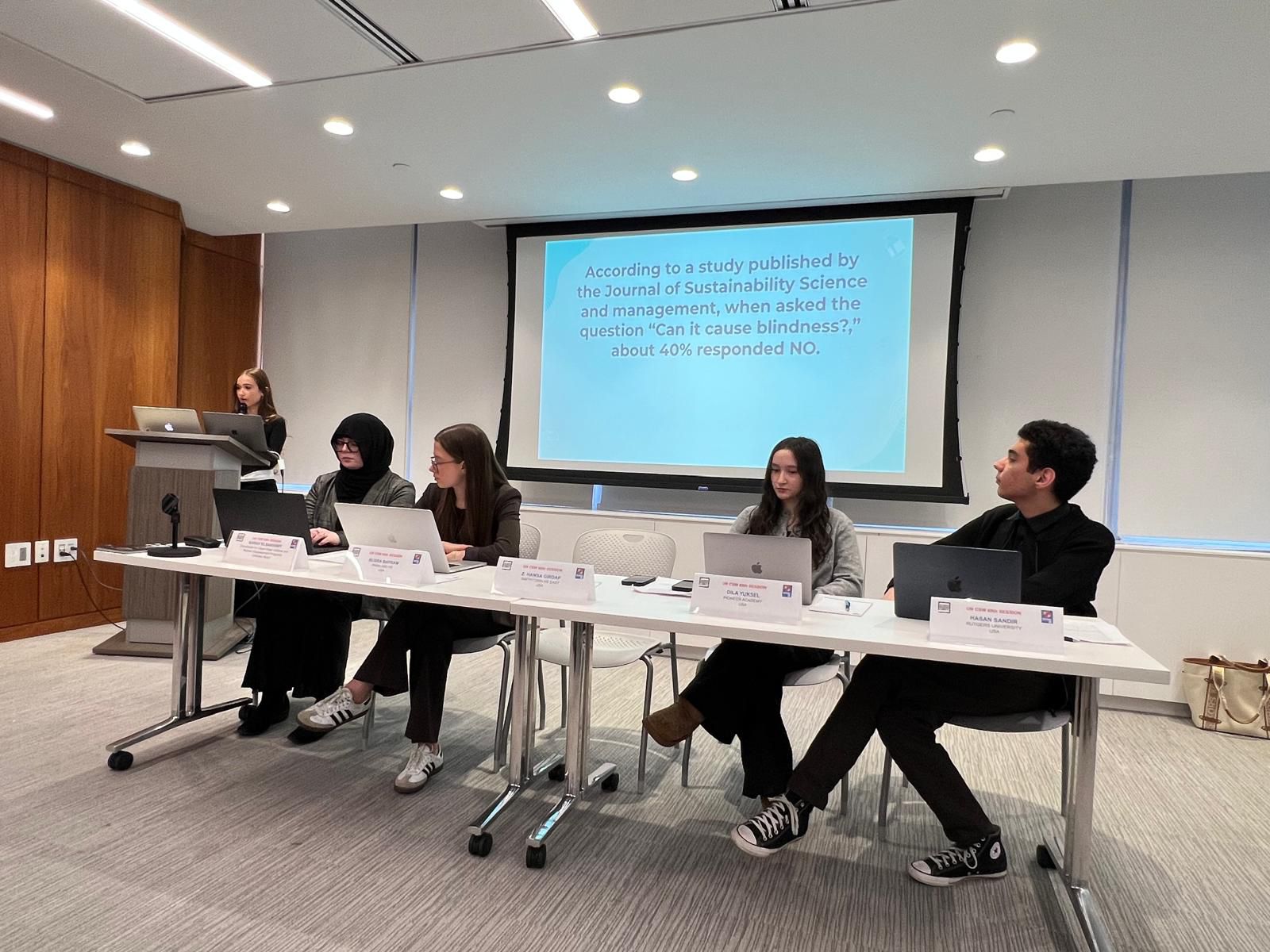
Throughout the program, participants engage in reflective writing, peer dialogue, and interactive exercises designed to foster healing, encourage solidarity, and strengthen youth agency. The initiative also emphasizes knowledge production and youth-led advocacy: insights, thematic learnings, and documented reflections are synthesized into a report to be presented at the United Nations Commission on the Status of Women (CSW70). By amplifying young voices in global human-rights discussions, the project aims to contribute meaningfully to international conversations on youth empowerment, gender equity, and inclusive psychosocial support.
Ultimately, the Bibliotherapy for Youth initiative offers an innovative,community-centered approach to advancing psychosocial resilience and gender justice. By cultivating reflective spaces where young people learn, listen, question, and advocate together, the program nurtures empathy across gender lines, supports the emotional well-being of the next generation, and equips youth with the tools and confidence needed to speak up, stand with one another, and help shape a more equitable and inclusive future.
| GROUPS AND TOPICS | MONTHLY DISCUSSION |
GROUP 1 – Women’s Status in Society
|
Theme: Identity, Race, and Resilience
Book: Trevor Noah “Born a Crime” |
GROUP 2 – Discrimination, Stigmatization, and Violence
|
Theme: Women’s Empowerment and Feminism
Book: Rebecca Solnit “Men Explain Things to Me” |
GROUP 3 – Barriers in Institutions and Daily Life
|
Theme: Justice and Social Critique
Book: Bryan Stevenson “Just Mercy” |
GROUP 4 – Action, Reflection, and Change
|
Theme: Psychological Resilience
Book: Viktor Frankl “Man’s Search for Meaning” |
